

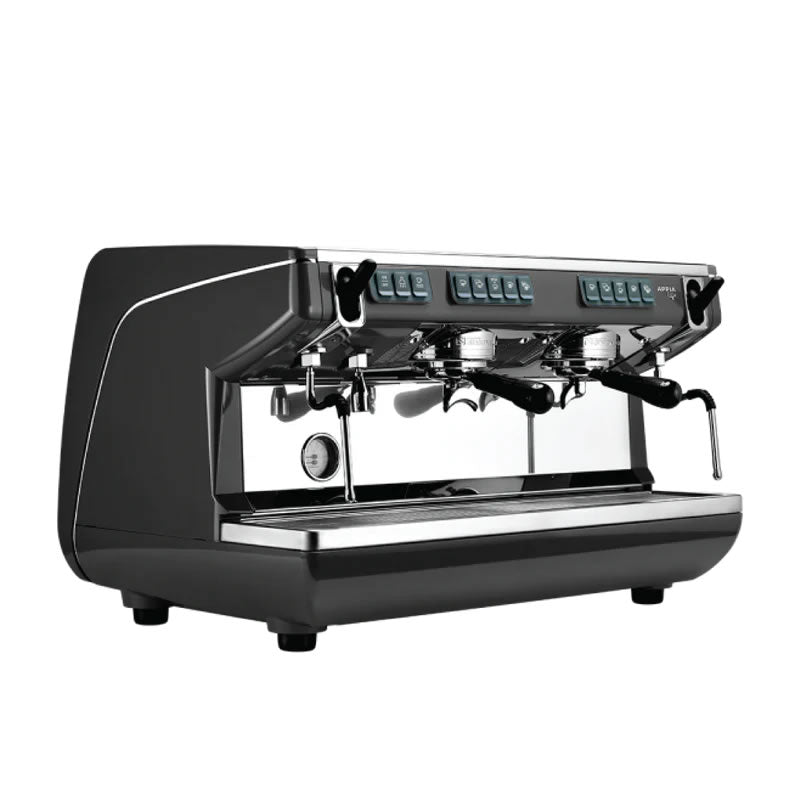
 Espresso Machine
 Grinder
 Boiler & Bulk Brewer
 Super Auto Machine
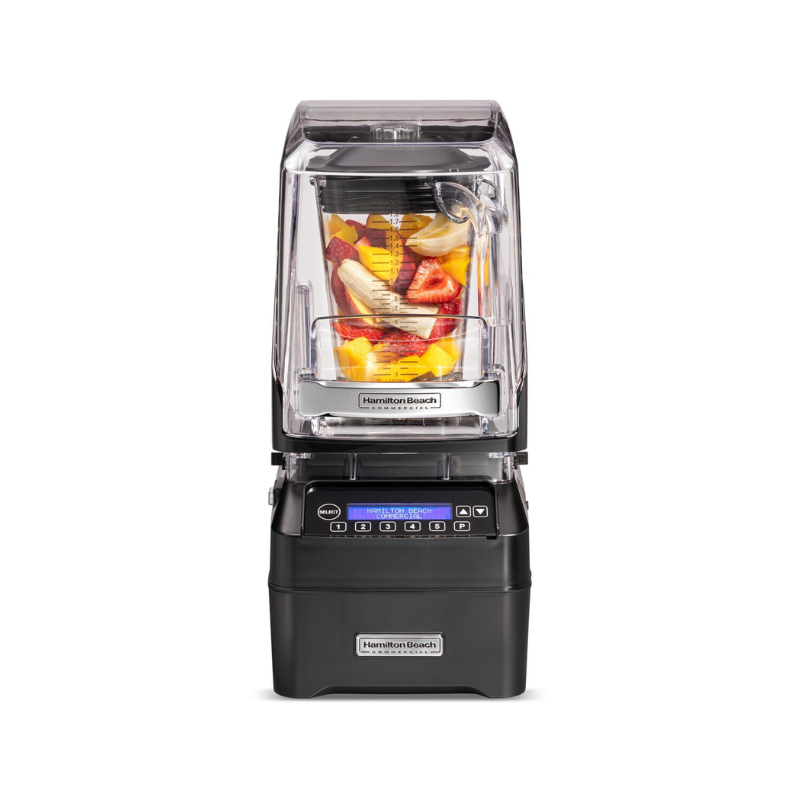 Blender & Juicer
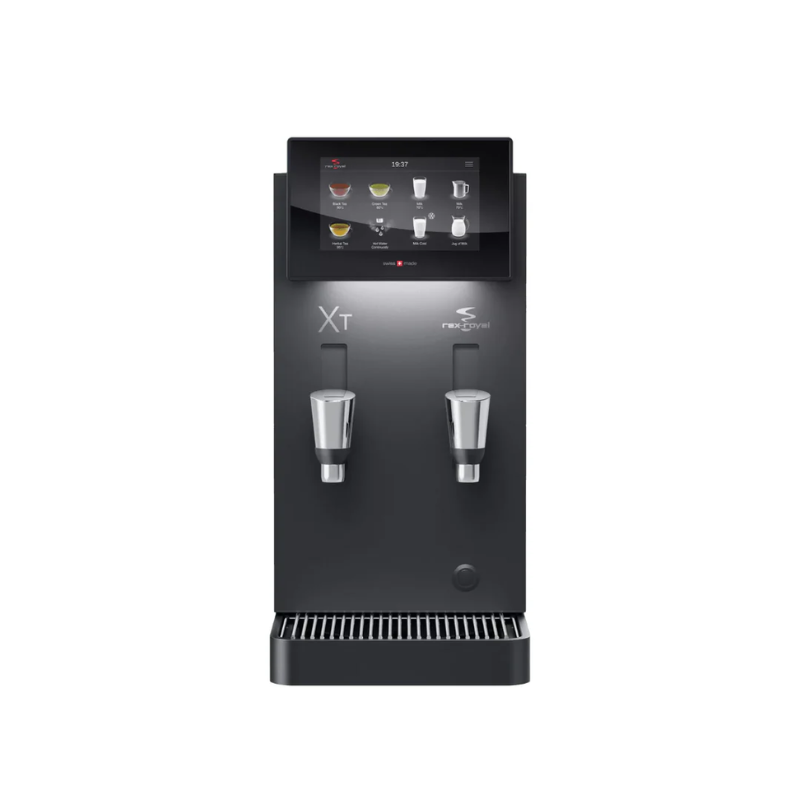 Milk Heater
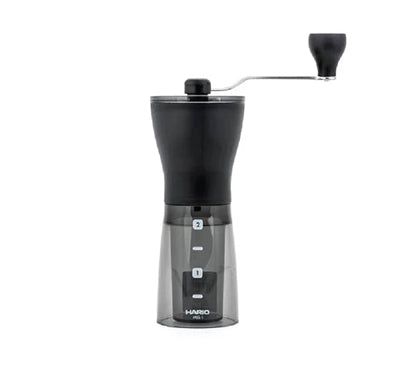 Hand Grinder
 Digital Scale
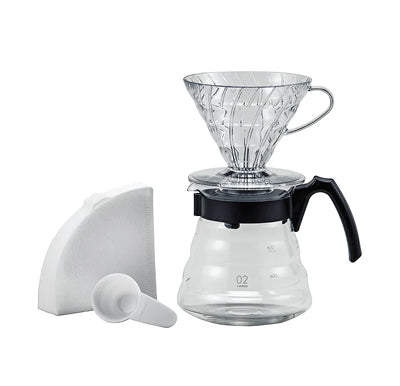 Dripper & Cold Brew
 Kettle
 Cups & glassware
 Teapot & Server
 Filter Paper
 Cleaning Solution
 Coffee Bean
 Coffee Ground
 Capsule
 Black Tea
 Green Tea
 Oolong Tea
 Herbal & Rooibos Tea
 White Tea
 Tea Tins
 Tea Tools
 Syrup
Syrup
 Sauce
Sauce
 Fruit Mix
 Beverage Mix
 Frappe Mix









Latest articles
Heat Exchanger or Multi-Boiler? Know Before You Buy
By Wataru Inagaki
|
Summary:
|
The espresso machine is the most consequential piece of equipment in any café. It shapes your team's workflow, sets the pace of service, and determines whether every cup that leaves the counter reflects the standard you have set for yourself. Yet the choice between a heat exchanger and a multi-boiler machine is one that too many café owners make quickly, often without a clear picture of how the 2 actually differ in daily use.
Here is what you need to know before you commit.
Why Does Your Espresso Machine Choice Affect Your Whole Café?
Your barista coffee machine does not operate in isolation. It determines how your baristas move, how quickly orders clear during a busy service, and whether your team can hold consistency across a full shift. The wrong machine for your service model creates bottlenecks that are difficult to resolve without replacing the equipment or having a different workflow entirely.
How Machine Choice Impacts Espresso Quality
Espresso extraction is sensitive to temperature. Fluctuations in brew temperature shift the flavour of a shot, pulling it towards sourness or bitterness depending on the direction. Consistent temperature stability is one of the most important qualities in any commercial espresso machine, and the 2 machine types handle it differently.
Matching Your Coffee Machine to Café Volume, Style, and Workflow
Before comparing specifications, be clear on a few things: how many cups you serve per hour at peak, whether one or 2 baristas work the barista coffee machine at the same time, and how much of your menu is milk-based. Your team's skill level matters too. With those answers in place, the technical comparison becomes straightforward.
What Is the Difference Between Heat Exchanger and Multi-Boiler Machines?
Both types are used in professional café settings across Malaysia. Understanding how each works is the clearest starting point.
How a Heat Exchanger Machine Works, and Where It Shines
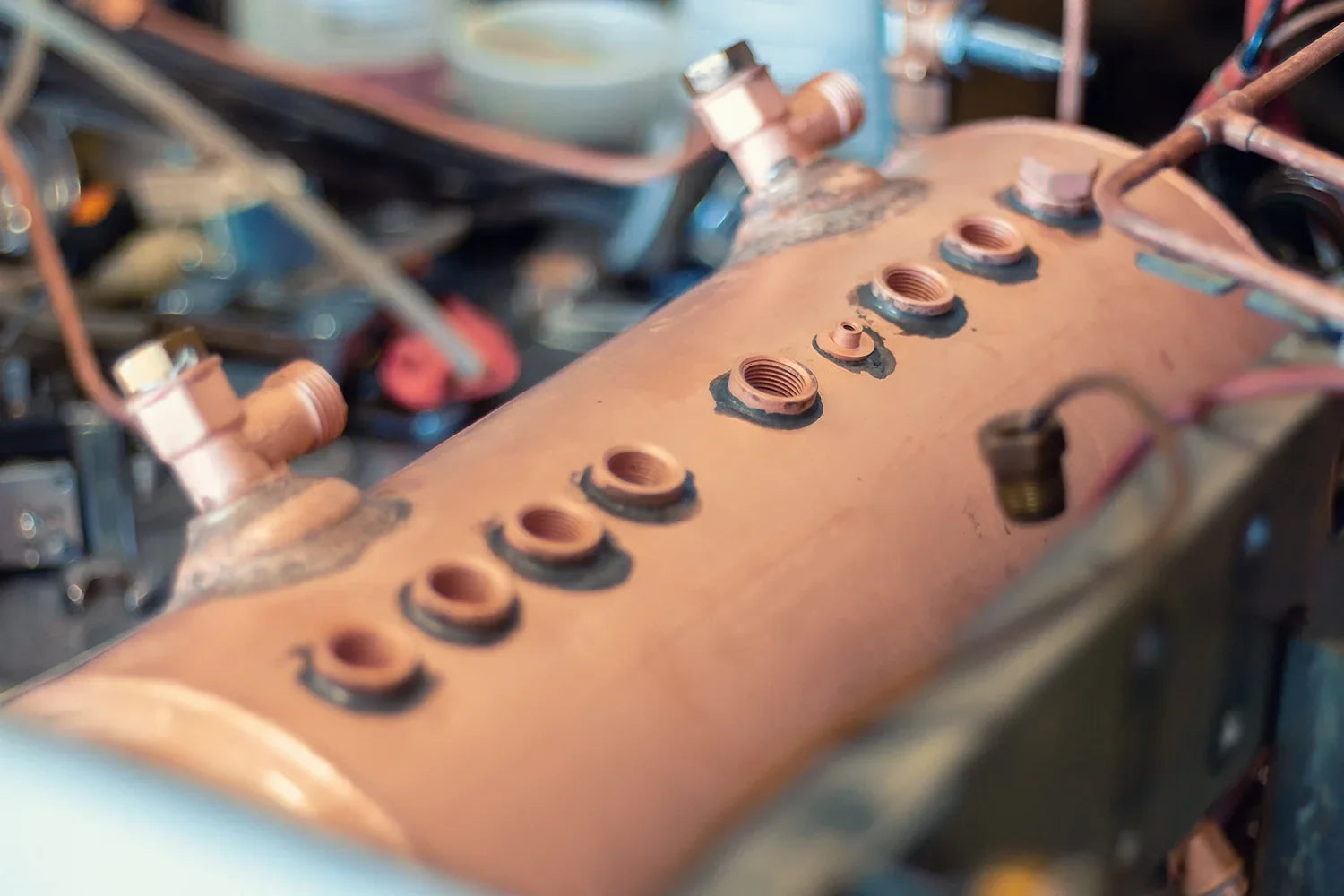
A heat exchanger (HX) machine runs a single large boiler at the high temperature needed for steaming milk. A separate tube carries cooler water to the group head where espresso is extracted, allowing the barista coffee machine to brew and steam simultaneously from one boiler.
HX machines are generally more compact and more affordable than multi-boiler alternatives. They work well for:
- Small-to-medium cafés with moderate daily volume
- Operations where one barista manages both brewing and steaming
- Settings where budget is a genuine consideration.
The trade-off is a technique called "flushing", where the barista runs water through the group head before each shot to flush and bring the brew temperature into the correct range. It adds a step to every extraction and requires consistent technique to execute reliably.
What Makes a Multi-Boiler Machine Worth the Investment
A multi-boiler machine uses separate boilers: one dedicated to each group head for brewing, and one for the steam wand. Each boiler is set and maintained at its own precise temperature, independently of the others.
This removes the need for flushing excessively for temperature control and reduces energy wastage. You can dial in different brew temperatures for different coffee profiles, useful if your menu features more than one blend or a single origin alongside your house espresso. Multi-boiler machines suit:
- High-volume cafés, restaurants, and hotel F&B operations
- Settings where 2 or more baristas work the barista coffee machine at the same time
- Operators who want consistent extraction temperature without manual correction.
The upfront cost is higher. In busy settings, however, fewer wasted shots and smoother workflow can offset that difference over time.
Comparing barista coffee machine and want to see what is available for your volume and budget? Browse our collection before you speak to a specialist.
How Do These Espresso Machines Compare in Real-World Use?
Both machines perform well in the right setting. The gap shows up in the details.
|
Factor |
Heat Exchanger |
Multi-Boiler |
|
Temperature stability |
Good, with correct flushing |
Precise, per group head |
|
Simultaneous brew and steam |
Yes |
Yes, with greater independence |
|
Barista skill required |
Moderate |
Moderate |
|
Upfront cost |
Lower |
Higher |
|
Best for |
Boutique cafés, low-to-mid volume |
High-volume cafés, hotels, restaurants |
Heat Exchanger: Strengths, Trade-Offs, and Best-Fit Scenarios
The HX machine rewards baristas who understand temperature management. In the right hands, it produces excellent espresso at a price point that suits cafés in early operation or those with controlled, predictable volume.
Multi-Boiler: Precision, Control, and When It Makes Sense for Busy Cafés
The multi-boiler machine reduces the variables a barista manages during service. That consistency is worth a great deal when your team is under pressure and quality cannot slip.
Learn more about Barista Coffee Machine
How Do I Choose the Right Espresso Machine for My Café?
The right choice is the one that fits your operation, not the most expensive option available.
Comparing By Volume, Service Style, and Budget
Use your volume and service model as the starting point.
-
Low-to-Medium Volume (under 100 cups per day): A quality HX machine will likely meet your needs. The lower spend also frees budget for a better grinder, which has a direct impact on extraction quality.
-
High Volume (100+ cups per day), Hotels, and Restaurants: A multi-boiler espresso machine is worth the investment. The consistency it delivers at scale protects quality during your busiest periods.
- Mixed or Uncertain Volume: A 2-group multi-boiler gives you room to grow without committing to a flagship machine before your throughput is established.
Key Questions to Ask Before You Commit
- How many cups per hour do you expect at peak?
- Will one or 2 baristas operate the barista coffee machine simultaneously?
- Does your menu require different brew temperatures across profiles?
- What is your full budget, including grinder and maintenance costs?
- Does your supplier provide aftersales technical support in Malaysia?
If you want broader guidance on equipment standards in professional coffee settings, the Specialty Coffee Association provides technical resources worth consulting.
Find Your Match with Dankoff's Commercial Espresso Machine Range
Dankoff has been supplying cafés, hotels, restaurants, and offices across Malaysia since 2005, building a customer base of more than 2,500 businesses over that time. Their equipment range includes commercial espresso machines from Victoria Arduino and Nuova Simonelli, both used in professional settings across the region.
Beyond equipment, Dankoff distributes Lavazza and Santino Coffee for roasted coffee supply, alongside Monin syrups and a broad range of beverage ingredients. Whether you are sourcing your first barista coffee machine or consolidating your café supply across equipment, coffee, and ingredients, you can manage it through one experienced distributor.
Explore the commercial espresso machine range or contact the Dankoff team to discuss which barista coffee machine suits your volume, workflow, and budget.
%20machine%20brews%20and%20steams%20from%20one%20boiler.%20It%20suits%20low-to-medium%20volume%20caf%C3%A9s.%0AA%20multi-boiler%20machine%20uses%20separate%20boilers%20for%20independent%20temperature%20control.%20...)